

How to Select the Best Bunk Bed
When it comes to buying bunk beds for your children there are some things to take into consideration. These include size, materials, and safety.
You should also consider the weight and age of your child's weight and age. Some bunk beds are made for children who are younger, whereas others are appropriate for teens or adults.
Size
Bunk beds are a versatile piece of furniture that can be used as a bed for two children or guests. They come in a variety of sizes and configurations to fit various spaces, including combinations of full, twin, queen and King size. They also have storage underneath the bottom bunk for extra bedding or toys.
It is essential to pick the right size because it will determine the amount of space that can be reclaimed in your kids' bedrooms. Measure your room including the ceiling height, to help you determine the most suitable size.
You should also think about the capacity for weight of your bed. The weight limits are important to be considered since many models have restrictions regarding the amount they support. If your bunk bed is heavier than the frame, this could cause safety issues for those who sleep on the top and bottom bunks.
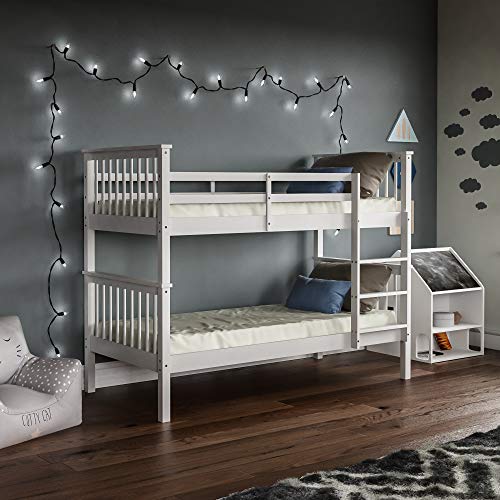
A mattress that is of high quality is vital for a comfortable night's sleep. It must be firm enough to allow your child to rest comfortably but soft and comfortable enough to provide cushioning. Based on your child's weight and height, you might prefer an extra-firm or medium-firm mattress.
The thickness of your mattress for bunk beds is another factor to be aware of. In childrens bunk beds , mattresses that are thicker may be too heavy for bunk beds. They also pose safety risks on upper bunks.
You may also opt for an even thinner mattress than standard beds to give your child more headroom when they are on the top bunk. A mattress that is thinner will allow them to move in their sleep.
If you're looking for the best bunk bed for a tiny bedroom, check out the Storkcraft Solid Hardwood Twin Bunk Bed. It's got an appealing farmhouse style and is made of solid wood to ensure stability.
It's easy to put together and can be transformed into three separate freestanding bed. It is available in a variety of colors so you can match it to the rest of your decor. The curved and wagon-themed guardrails and headboards add a nice flair.
Material
When you are planning to purchase bunk beds the material is a major factor to think about. Although the most common bunk bed is made from tubular metal, you can also find models constructed with solid bars to improve the security and longevity. However, they are heavier in weight and might not work in smaller space.
Color is another factor to think about. You can choose a bunk bed which blends with your furniture in your bedroom and complements its color scheme. This way, you'll avoid having to change everything when your kids grow older and begin moving to new rooms.
A gray bunk bed, for example, can look elegant and sophisticated in a boys' bedroom. It can also look great with white-on -white bedrooms. It adds depth to the space without sacrificing its neutral appearance.
The best bunk beds are crafted from high-quality materials, including woods and veneers. This will ensure that they last a long time and last for a long time. They are also sturdy.
The most comfortable bunk beds , coupled with a high-quality mattress, can help you reduce the size of your child's bedroom and increase their sleeping comfort. These beds are also safe for children of every age.
The bunks can be divided into two separate beds when your child reaches a certain age and requires sharing their bedroom with others. A hidden trundle can be slipped from the bottom bunk to provide additional sleeping space for siblings or guests.
You should make sure that the model you pick is appropriate for your child's age and height. If your child is a teenager you should opt for a larger model with an elegant design and rails on the sides.
It is also important to determine if the bunk bed has frames made of metal or solid wooden. A metallic frame is less likely to be susceptible to breaking and damage, so you should definitely choose one.
Make sure you select a bunk bed that is simple to put together. Some require you to build it entirely from scratch, whereas others are partially assembled and make the entire process easier.
Safety
Many people are worried about the safety of bunk beds, but new research suggests that this type of bed isn't as risky as many believe. Statistics indicate that falls are the cause of numerous injuries, but most of them are not severe enough to require immediate medical attention.
If your children are using bunk beds, make sure to educate them about safety rules to ensure they are able to use it safely and avoid injuries. The most frequent bunk bed-related injuries include bruises, bumps and cuts and broken bones.
The most important bunk mattress safety tip is to ensure that the top bunk has guardrails. The rails should be at least five inches higher than the mattress, with an opening no larger than fifteen inches. They should also be attached to the bed with fasteners that must be removed before they can be removed. The tops of the rails must not be lower than five inches above the mattress foundation.
Another important bunk bed safety tip is to ensure that there are no gaps or openings in the bed that might allow children to fall or become trapped. These can be as simple as holes on the top or sides of the bed, or as elaborate as a gap between two walls.
This can be particularly risky in the dark, so installing an emergency light near the ladder is an excellent idea to make climbing up and down more secure. It can be connected or battery-powered, based upon your layout and is a great way to keep kids safe while they attempt to get in and out of the top bunk.
Other bunk bed safety tips include limiting number of people sleeping on the bunk beds to a single person and removing all personal belongings from the area around the bed. Items like scarves, belts, or jump ropes that are left on the bed are dangerous and could result in strangulation.
The room of your child should include a nightlight so they can use the bathroom during the middle of the night. This will allow them to find their way through the darkness without getting lost or hurting themselves.
Style
Bunk beds are used in a variety of places, not just children's bedrooms. They are a cost-effective option to provide more sleeping space for guests, or even adults who may want to stay up late. If you're thinking of buying a bunk bed for your children or yourself here are some helpful tips to help you choose the right one:
Determine how much space you require. This will determine the size of a bunk bed you can purchase and how long it will last. If you have a large family, you may need to choose a larger size so that all of your children will be able to comfortably.
The age of your child is another aspect to take into consideration. A child who is younger may require a lower, safer bunk bed. A child who is older may require a bigger bed with more room. Choosing the right size of bed will ensure your children get the most comfy and safe sleep possible.
The type of mattress that you select can also have an impact on the quality of your bunk bed. A mattress with a cushion, for example, might be more robust.
Also, consider the weight capacity of your bunk bed into consideration also. A poorly-constructed bed can pose danger for the occupants of both beds. Be sure that the bed you select is within the weight limits recommended by experts.
Review the description of the product to determine if there are any safety features you should be looking for. In addition to the obvious guardrails, you must also look for side rails that have an maximum of 3.5 inches between gaps and less than 15 inches at each end.
Some bunk beds include additional security features such as a sliding-door that prevents unauthorized entry to the top bunk. This feature is useful for parents who have children who constantly get out of their beds.
A bunk bed with an under-bed trundle or storage drawers is a great option for any room. These options are especially useful for teenagers, who may need more sleeping space or a place to store their items and complete their assignments.